Good shoes are one of the best investments in a wardrobe, and they are also one of the first things people notice. With a little regular care, leather improves with age, suede stays soft and sneakers look fresh. This guide covers everything you need, material by material.
Key takeaways
- Protect new shoes before the first wear
- Clean little and often
- Condition leather every few weeks
- Rotate pairs so they can dry out
- Store with shoe trees, away from sunlight
Your basic shoe care kit
- Soft cloths and a horsehair brush
- Leather cleaner and conditioner
- Shoe polish or cream in matching colours
- Suede brush and suede eraser
- Water and stain protector spray
- Cedar shoe trees
- Mild soap and an old toothbrush for sneakers
Leather shoes
Everyday care
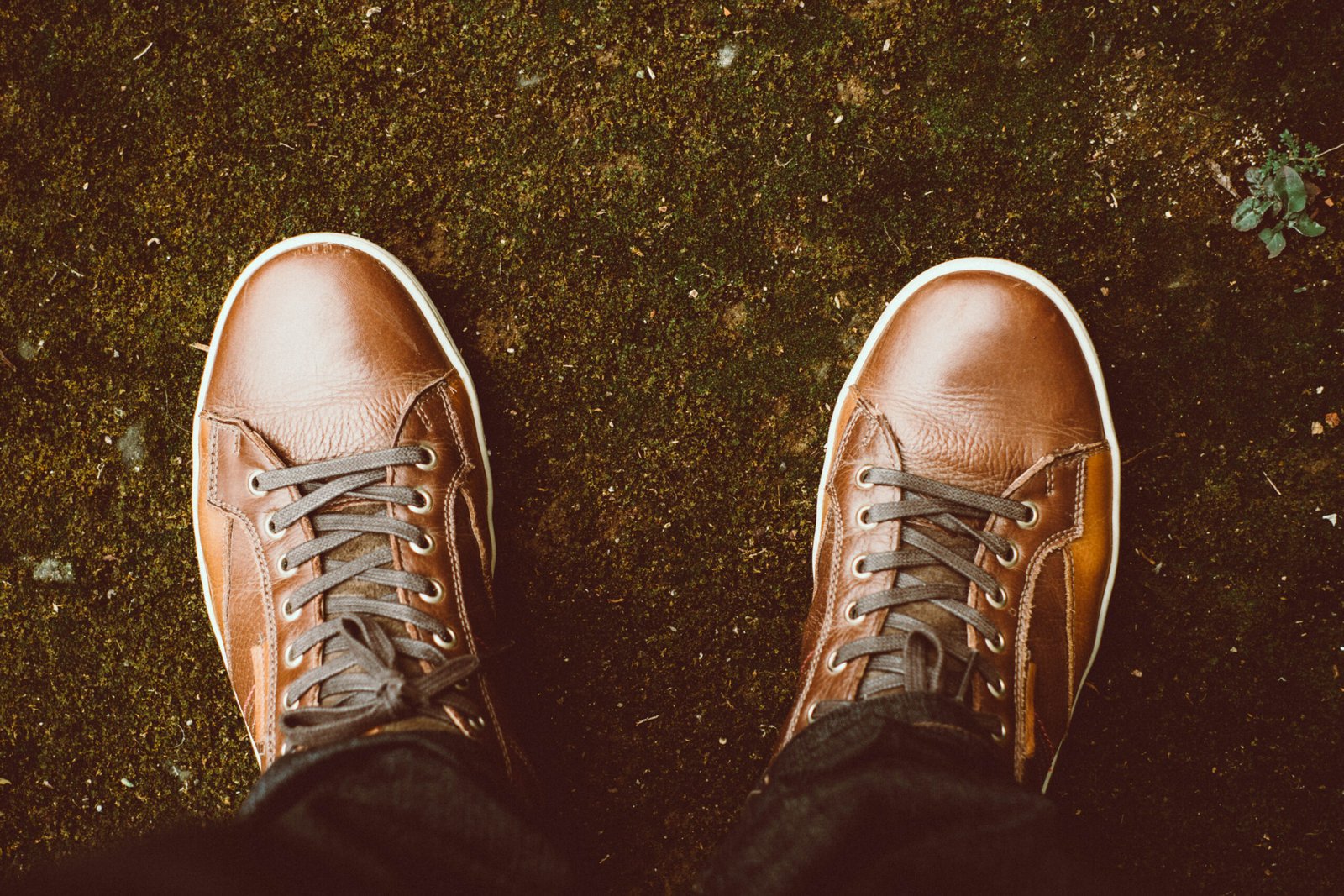
After wearing, brush off dust and wipe with a slightly damp cloth. Insert cedar shoe trees to absorb moisture and keep the shape.
Deep clean and condition (every 3–4 weeks)
- Remove laces
- Clean with a leather cleaner or saddle soap
- Apply a conditioner in small circles and let it absorb for 10 minutes
- Polish with a cream that matches the colour
- Buff with a horsehair brush or soft cloth for shine
If they get wet
Blot with a towel, stuff with paper and let them dry naturally at room temperature. Never put leather next to a radiator; heat cracks it.
Suede and nubuck
- Spray with a protector before the first wear and reapply every few months
- Brush regularly in one direction to lift the nap
- Remove marks with a suede eraser
- For water stains, lightly dampen the whole area evenly, then brush and let it dry
- Avoid wearing suede in heavy rain or snow
Sneakers
| Material | How to clean |
|---|---|
| Leather sneakers | Wipe with a damp cloth and mild soap; condition occasionally |
| Canvas | Scrub with a soft brush, mild soap and water; air-dry |
| Knit/mesh | Gentle brush, cold water; stuff with paper to dry |
| White soles | Toothbrush with mild soap or a baking soda paste |
Wash laces separately and remove insoles to air them out. Avoid putting leather sneakers in the washing machine.
Storage
- Store shoes clean and completely dry
- Use shoe trees for leather, and stuff boots to hold their shape
- Keep them away from direct sunlight, which fades colour
- Use breathable cotton dust bags rather than plastic
When to see a cobbler
A good cobbler can replace worn heels and soles, fix stitching, stretch tight shoes and restore colour. Replacing a heel tip early costs far less than repairing a damaged heel.
Simple care schedule
| How often | What to do |
|---|---|
| After every wear | Brush off dust, insert shoe trees |
| Every 2–3 wears | Wipe clean |
| Every 3–4 weeks | Condition and polish leather |
| Every few months | Re-apply protector spray |
| As needed | Cobbler for heels and soles |
Common mistakes
- Wearing the same pair every day, which prevents them from drying out
- Drying wet shoes with direct heat
- Using the wrong polish colour
- Ignoring worn heels until the damage reaches the shoe
Well-kept shoes are a key part of looking polished; see minimal elegance and the accessories edit.
FAQ
How often should I polish leather shoes?
Every few weeks for shoes you wear regularly, or whenever they look dull.
Can I wash white sneakers in the washing machine?
Canvas sneakers usually can, on a cold, gentle cycle in a laundry bag. Leather sneakers should be cleaned by hand.
How do I stop shoes from smelling?
Rotate pairs, use cedar shoe trees, air out insoles and wear breathable socks.