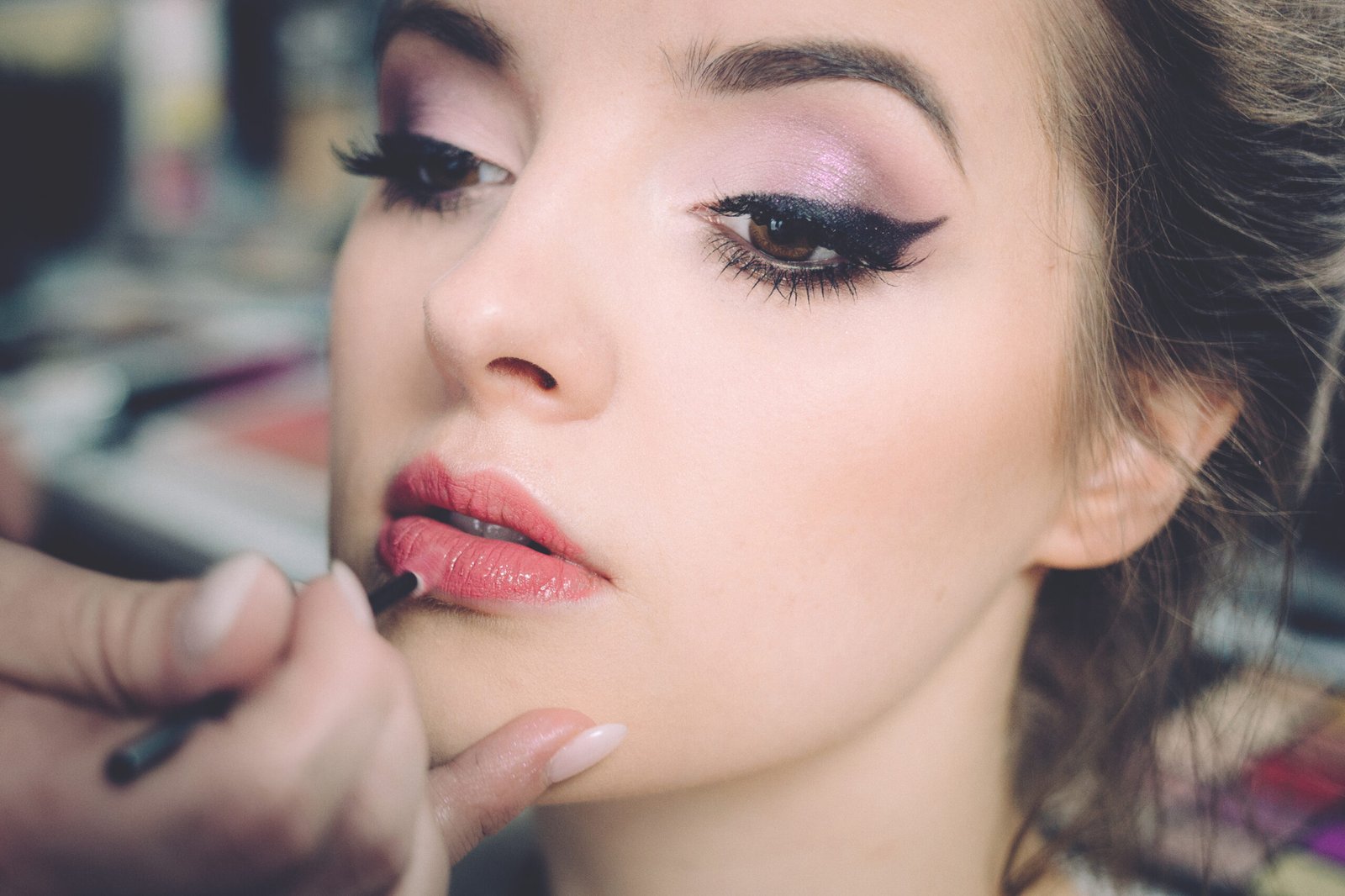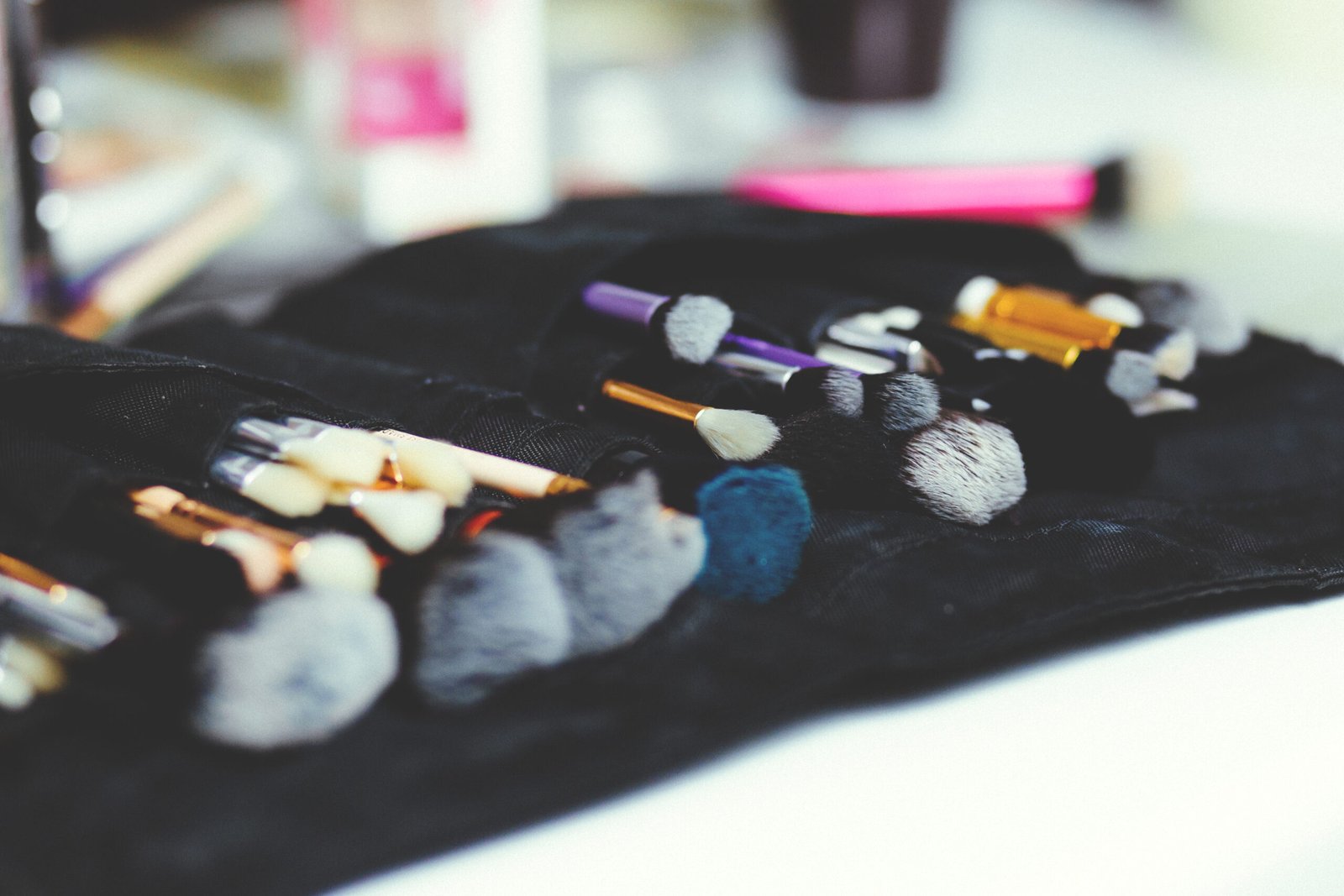
Walk into any beauty store and you will see brush sets with 15, 20 or even 30 pieces. The truth is that most people need only six. The right brushes make makeup easier to apply, look smoother and use less product. This guide explains which brushes to buy first, how to use them and how to keep them clean.
Key takeaways
- Six brushes cover a complete everyday look
- Synthetic bristles work best for creams and liquids
- Brush shape decides the finish
- Clean brushes prevent breakouts
- Good brushes last for years with care
Synthetic or natural bristles?
| Synthetic | Natural | |
|---|---|---|
| Best for | Liquids, creams, powders | Powders |
| Feel | Smooth, slightly firmer | Very soft, fluffy |
| Cleaning | Easy, dries fast | Needs more gentle care |
| Price | Usually lower | Usually higher |
| Cruelty-free | Yes | Depends on sourcing |
Modern synthetic brushes are excellent and suit most beginners, especially if you use cream or liquid products.
The six essential brushes
1. Foundation brush
A dense, flat-top or rounded “buffing” brush. Apply foundation in the centre of the face and buff outwards in small circles. Alternative: a damp makeup sponge for a more natural finish.
2. Powder brush
A large, fluffy brush for setting powder. Tap off excess and press or sweep lightly over oily areas. Too much pressure can make skin look flat.
3. Blush brush
An angled or medium, rounded brush. Smile, apply blush to the apples of the cheeks and blend upwards towards the temples. An angled brush can also do a soft contour under the cheekbones.
4. Eyeshadow blending brush
A soft, tapered brush that diffuses colour in the crease. Use windscreen-wiper motions to blend edges so no harsh lines remain.
5. Flat shader brush
A small, flat, firm brush that packs colour onto the lid or presses darker shades into the outer corner.
6. Angled brow brush with spoolie
A thin angled brush for filling brows with powder or pomade in hair-like strokes, and a spoolie to brush them into place and soften colour.
Nice-to-have extras
- Concealer brush: small, flat or domed, for precise coverage
- Fan brush: for highlighter
- Lip brush: for precise application of bold lipstick
- Smudge brush: for smoky eyeliner
How to clean your brushes
Dirty brushes collect oil, dead skin cells and bacteria, which can cause breakouts and make makeup look patchy.
- Wet the bristles with lukewarm water, pointing downwards so water doesn’t enter the handle
- Swirl on your palm with a gentle shampoo or brush cleanser
- Rinse until the water runs clear
- Squeeze out water and reshape the bristles
- Dry flat or bristles down on the edge of a towel, never upright
| Brush | How often to wash |
|---|---|
| Foundation and concealer | Weekly |
| Eyeshadow and eyeliner | Every 1–2 weeks |
| Powder and blush | Every 2 weeks |
| Sponges | After every 1–2 uses (replace every 3 months) |
How long do brushes last?
With regular cleaning, a good brush can last five years or more. Replace it when bristles shed, lose shape or feel scratchy.
Put your brushes to work
Try them with our 10-minute natural makeup routine or the “no-makeup” makeup look. For new products to pair them with, see this month’s beauty launches.
FAQ
Are expensive brushes worth it?
Not always. Many affordable synthetic brushes perform very well. Spend more on the brushes you use daily, like foundation and blending brushes.
Can I use my fingers instead?
Yes, especially for cream blush, concealer and lip products. Brushes give more precision for powders and eyeshadow.
Why does my foundation look streaky with a brush?
Try buffing in small circles instead of painting strokes, use less product, or switch to a denser brush.